Updated 2026-08-21
Ring Lights, Panels, and Backdrops: Which Lighting Do You Actually Need?
Lighting is the accessory creators over-buy first and under-use later, because "ring light" gets used as shorthand for the entire category — and it's only the right tool for some of it. Here's what each type actually does, so you buy the one that matches how and where you film.
Ring lights: for talking-head and portrait shots
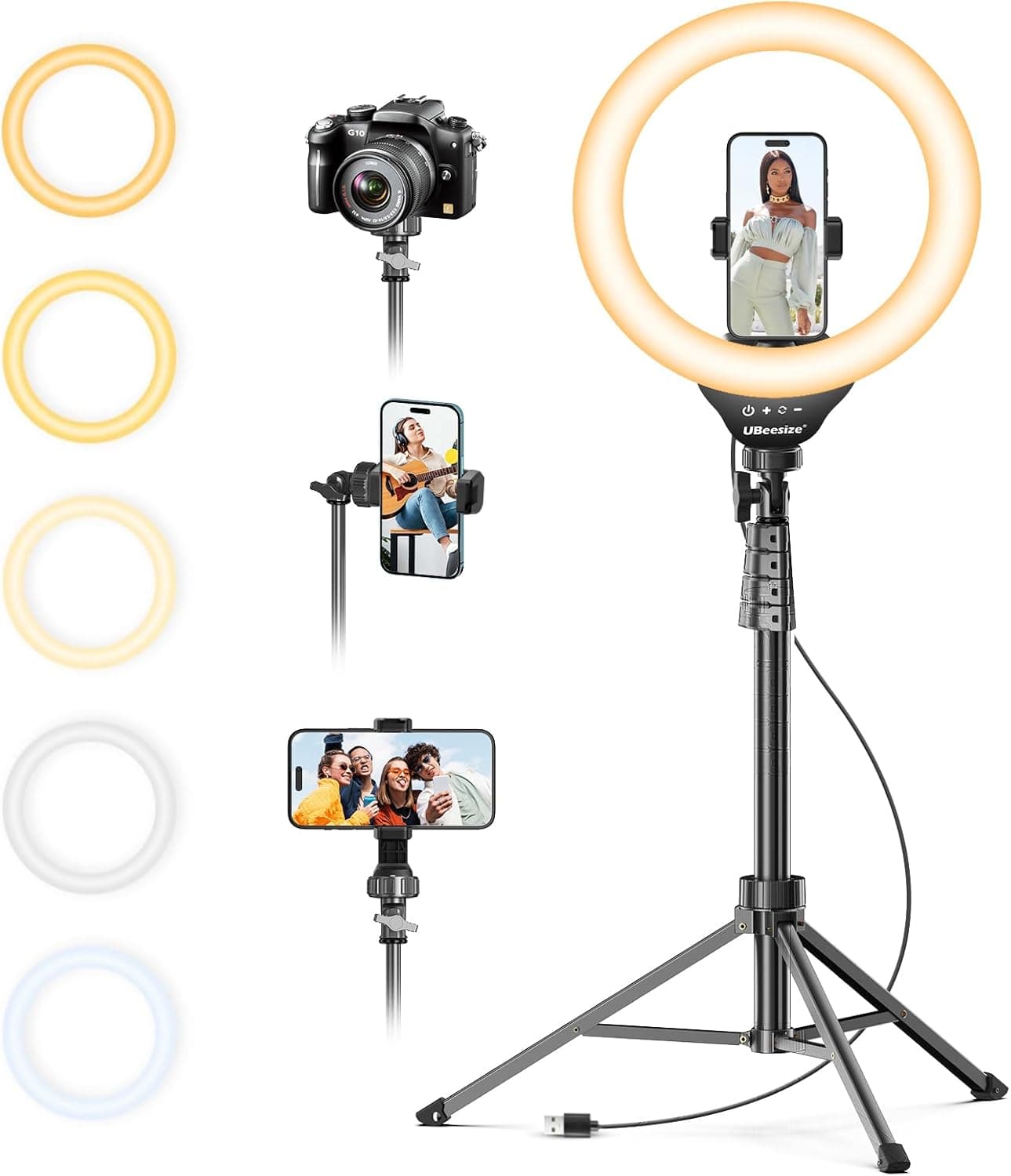
A ring light's whole point is the catchlight it puts in your eyes and the even, shadow-free wash it puts on a face — which is exactly what talking-head video, interviews, and beauty content need. The UBeesize 12-inch ring light on its 62-inch tripod covers both sitting and standing shots, with five color temperatures and ten brightness levels, and the tripod converts to a handheld selfie stick when you need to shoot on the move.
LED panels: for accurate color and portability
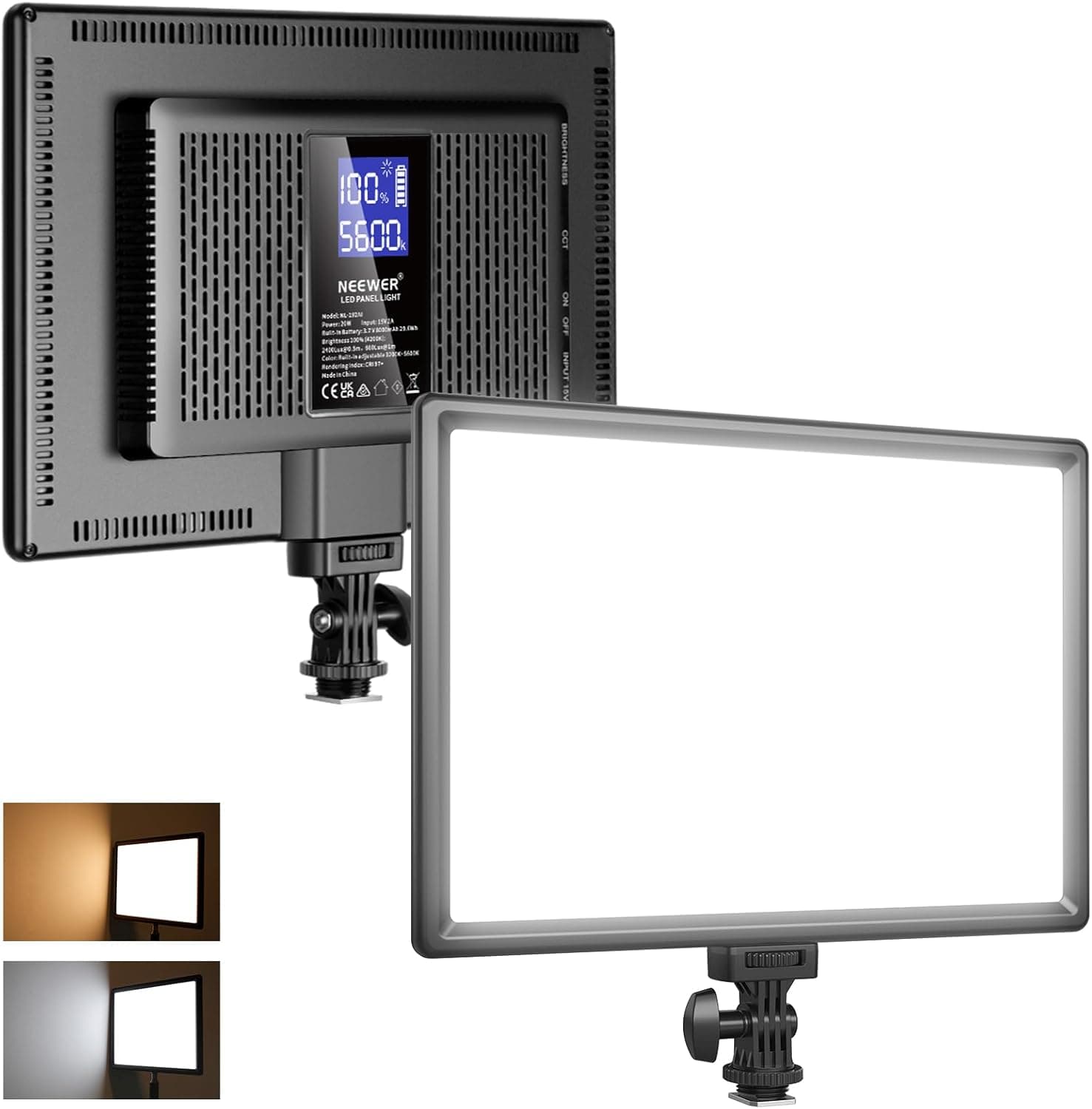
A ring light flatters faces; a panel light is built to render color and skin tone accurately, which matters the moment you're editing footage that needs to match other shots. The Neewer 192 LED panel has a CRI 97+ rating, a built-in 8000mAh battery, and a thin profile that mounts on top of any camera — the pick for creators who need studio-accurate light that fits in a bag.
RGB accent lights: for backlight and mood, not key light
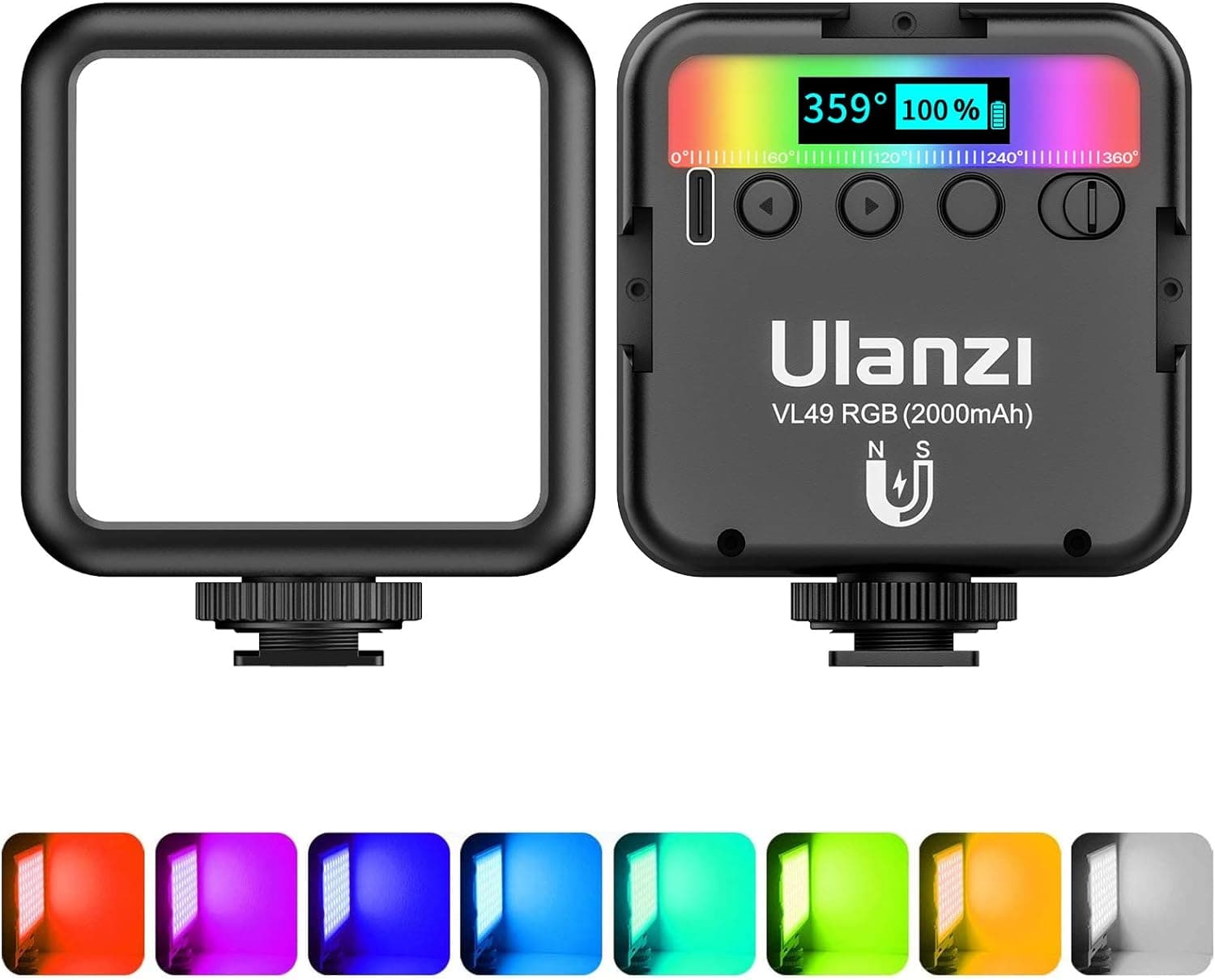
A pocket-sized RGB light like the ULANZI VL49 isn't meant to light your whole face — it's meant to separate you from your background as a rim light, or add a color accent behind you. Its magnetic back and cold-shoe mounts make it easy to place almost anywhere a full panel wouldn't fit.
Softbox diffusers and backdrops: the supporting cast
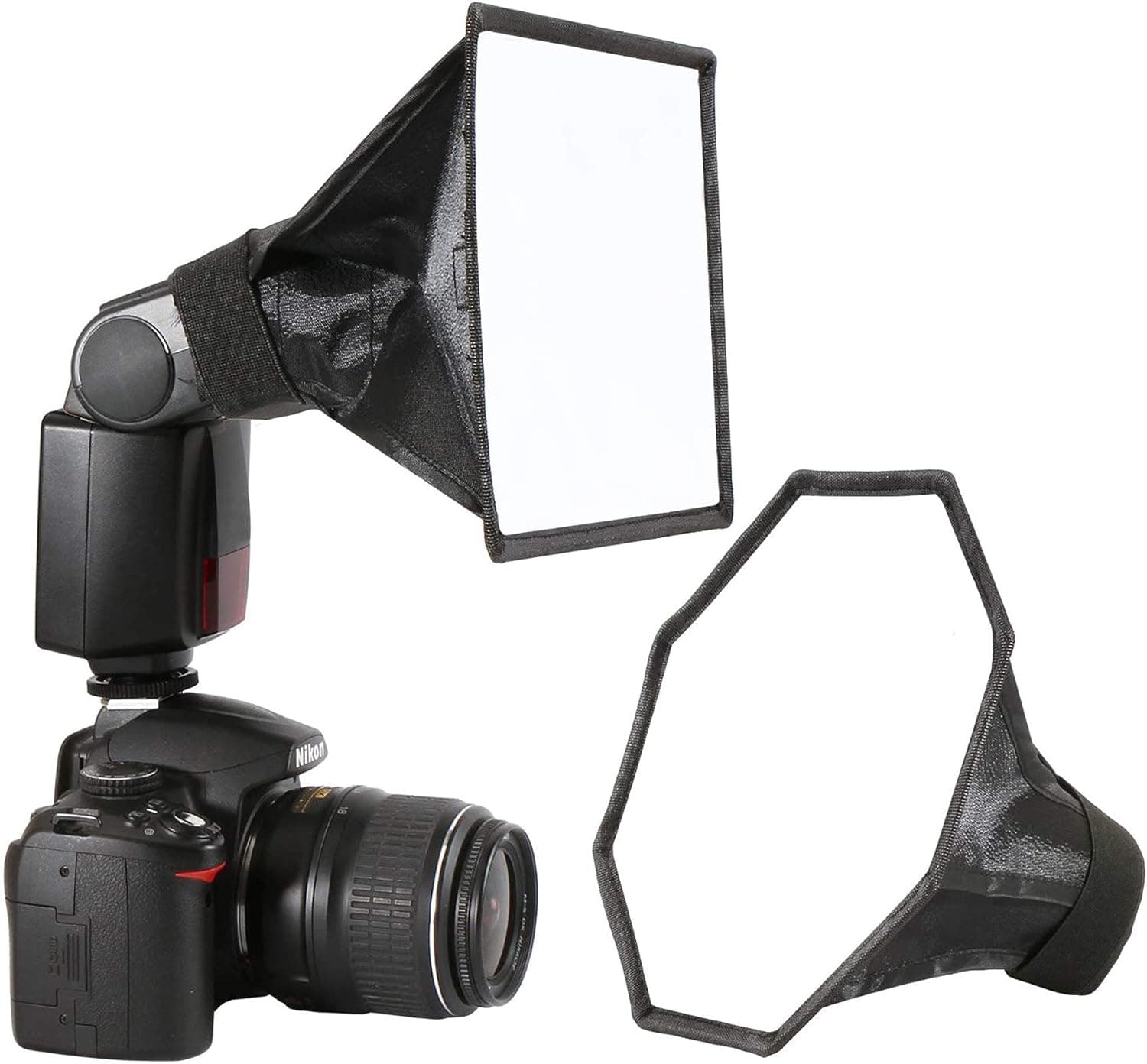
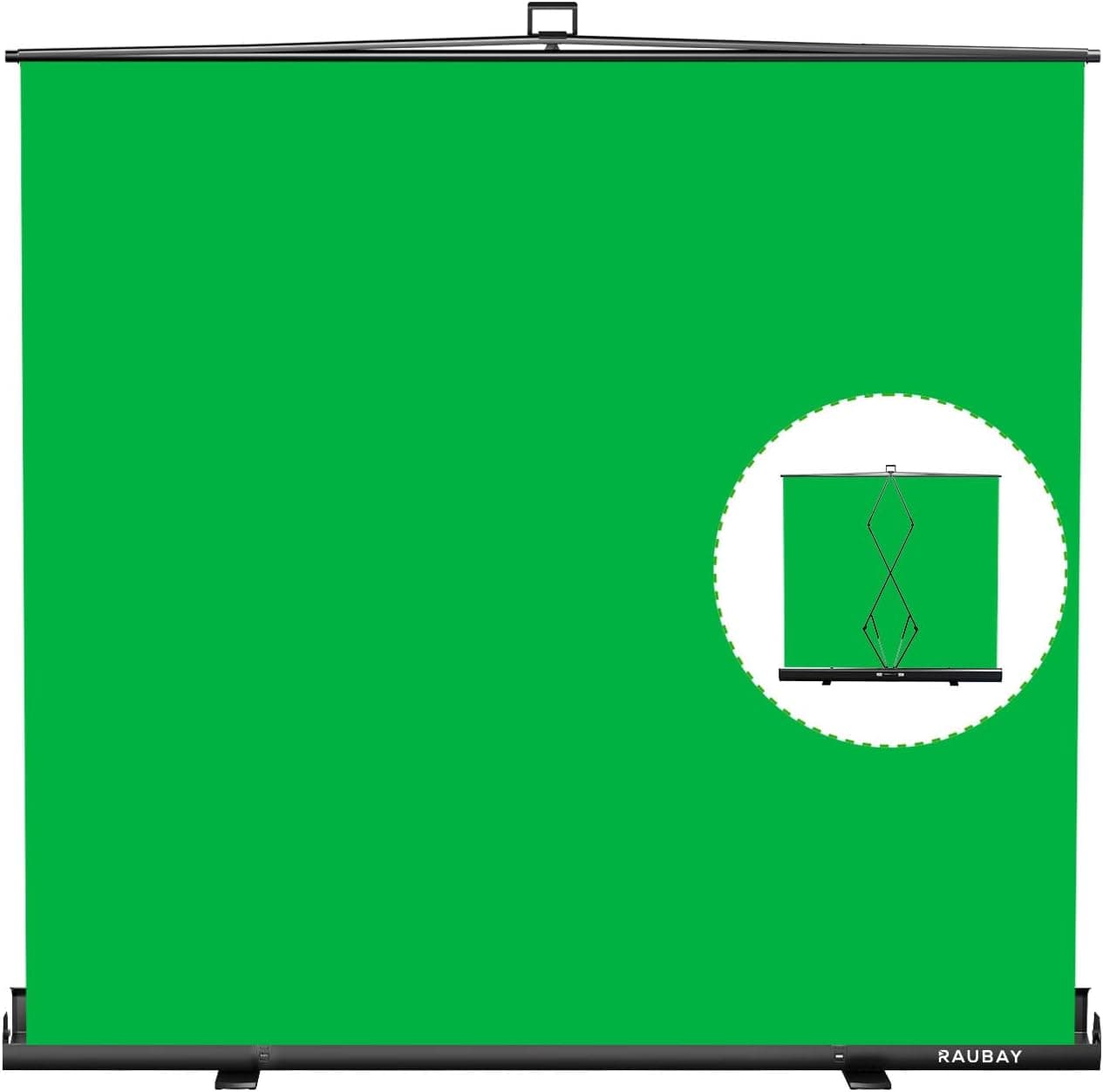
If you shoot with an on-camera flash for events or portraits, a clip-on softbox softens the harsh, direct look flash normally produces — a cheap fix for a common problem. And once lighting is dialed in, a pop-up green screen like the RAUBAY backdrop is what actually gets you a clean, repeatable background instead of whatever's behind your desk.
Start with a ring light if you're mostly talking to camera, a panel if color accuracy and portability matter more, and treat accent lights, diffusers, and backdrops as the second purchase — once you already know what your first light can't do.